Market Overview
The global climate technology market is undergoing a transformative shift, with unprecedented growth driven by advances in technology,
supportive government policies, and a shift towards sustainability. The demand for climate-friendly solutions is accelerating as governments, corporations, and consumers alike recognise the environmental and economic benefits of sustainable practices. This section provides a snapshot of the global and European climate technology markets and explains why the Climate Technology Show 2027 is a prime hub for the climate tech ecosystem.

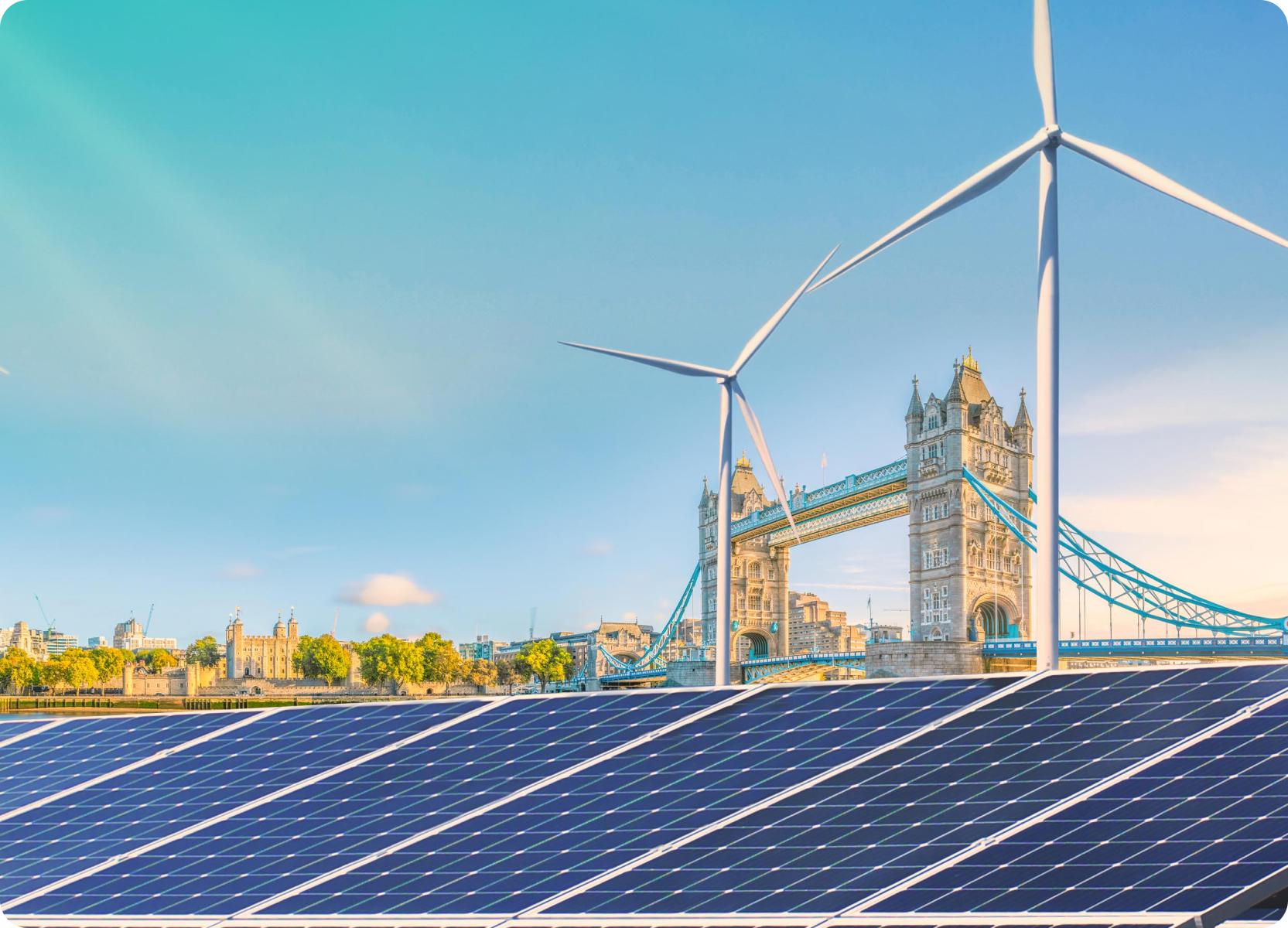
Global Market Overview
In 2023, global climate technology investments reached approximately USD 500 billion, and this figure is projected to rise to around USD 600 billion in 2025.
By 2030, it is estimated that 30% of all new industrial projects will incorporate climate-friendly technologies. The growth of the market is led by key players like the U.S., Europe, and Asia, which continue to innovate and drive adoption.
Key Global Statistics
USD 600
Global climate technology investments are projected to reach USD 600 billion in 2025, up from USD 500 billion in 2023.
30%
By 2030, it is anticipated that 30% of new industrial projects globally will be climate-friendly.
USD 1.5
The global climate technology market is expected to be valued at USD 1.5 trillion by 2030.
USD 700
Investments in climate technology infrastructure, including renewable energy and carbon capture, are forecasted to exceed USD 700 billion in 2024.
Emerging markets
Emerging markets in Asia and Latin America are also expanding their climate technology adoption through government incentives, investments, and infrastructure projects, positioning the global climate tech industry for sustained growth.
European Market Dynamics
Europe is at the forefront of the global climate technology revolution, experiencing rapid growth fueled by favorable government policies, growing consumer demand, and technological advancements.
In 2024, European climate technology investments hit more than USD 150 billion, accounting for 27% of the total global market. This is expected to grow further, with investments exceeding USD 200 billion by 2030.

Key European Statistics

- The European climate technology market reached USD 150 billion in 2024.
- Projections indicate that 35% of new industrial projects in Europe will be climate-friendly by 2035.
- By 2030, the EU aims to have 30 million zero-emission projects initiated.
- The European Union's Green Deal targets climate neutrality by 2050, with the “Fit for 55” package aiming to reduce emissions by 55% by 2030.
- Over 25% of new industrial projects in the EU were climate-friendly in 2023.
UK Climate Technology Market Highlights
The UK's climate technology market is experiencing significant growth, positioning the country as a global leader. Here are some key highlights and statistics

Key UK Market Statistics
- Investment Growth: Climate tech funding in the UK has risen by nearly 25% over the past year, reaching £4.5 billion in 2024. This surge in investment underscores the UK's commitment to sustainability and innovation.
- Economic Impact: The UK's net-zero ecosystem contributes around £60 billion per year to the economy, supporting over 760,000 jobs. This highlights the significant economic upside of climate tech in the UK.
- Renewable Energy: The UK saw a 14% rise in renewable energy capacity in 2023, with projections indicating that renewables could surpass coal as the largest source of electricity by 2025. This momentum is crucial for the country's decarbonisation efforts.
- Green Jobs: PwC's latest Green Jobs Barometer revealed a 9% rise in green job adverts in the past year, despite a 22.5% contraction in the overall job market. This underscores the growing confidence in the UK's net-zero transition and the need to address the shortage of green skills.
- Government Initiatives: The UK government has recognised the potential of sustainability, highlighting its role in the planned new Industrial Strategy. Initiatives such as funding programs and tax credits are vital in supporting research and development (R&D) and fostering continuous innovation.
- Regulatory Compatibility: The UK and the EU have similar ambitions on climate policy, with both jurisdictions committed to supporting the goals of the Paris Agreement. This alignment is crucial for maintaining regulatory compatibility and facilitating cross-border cooperation.
Interested In Taking Part?
Join the Climate Tech Show